Onet Puzzle - Tile Match Game
Infinite Joy Ltd.Board
4.65.02K Reviews
- Version
- 2.23.0
- Installs
- 50.00M
- Age Rating
- Everyone
Screenshots
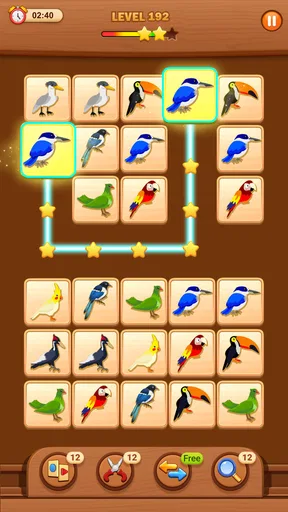
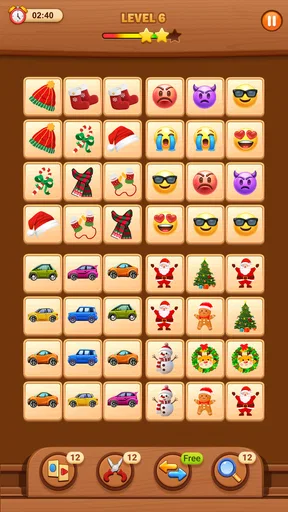
Our Review of Onet Puzzle - Tile Match Game
 Analysis by Appyee
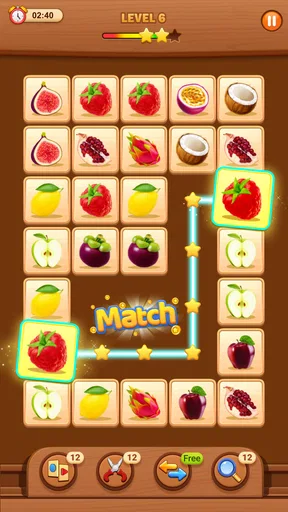
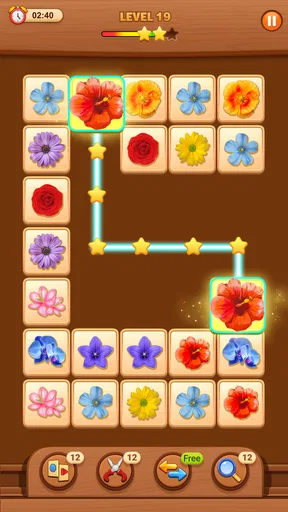
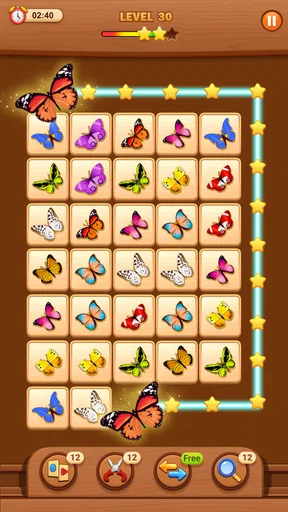
I spent time with Onet Puzzle - Tile Match Game as the kind of board game you open when you want a quiet mental break rather than a long, demanding session. Its central idea is easy to understand: find matching tiles and connect them to remove them from the board. What makes the experience appealing is not the complexity of the rules, but the way each small decision asks me to balance recognition, path planning, and patience.
That simplicity makes it a useful choice for short breaks, relaxed evenings, and players who enjoy visual puzzles without learning a large rule set. It is free to start, aimed at Everyone, and available for devices running Android 8.0 or later. At the same time, the minimalist design means it will not satisfy someone looking for a deep strategy board game, a story-driven adventure, or a competitive multiplayer experience.
How to decide whether this tile puzzle suits you
My first decision criterion is the kind of attention I want to spend. This is not a game I play for dramatic surprises or complicated planning several turns ahead. I play it when I want a focused activity that remains approachable from the first board. The matching task is familiar, but the board layout makes the order of removal important, so the game still gives my mind something to work through.
The second criterion is tolerance for repetition. The basic action remains consistent throughout: identify a pair, check whether a valid connection is possible, and clear it. That repetition is exactly why the game works well as a calming routine. It is also the reason a player who needs constant novelty may lose interest sooner than someone who enjoys refining a familiar skill.
I also consider how much time a game demands. Onet Puzzle fits naturally into a spare moment because I can approach an individual board without preparing a team, reading a lengthy tutorial, or remembering a complicated campaign. I would choose it for a commute, a waiting room, or a short pause between tasks. I would not choose it when I want a substantial evening game with a strong sense of progression or a social table around me.
The visual matching element matters too. Players who enjoy spotting patterns and scanning a crowded arrangement will understand the appeal quickly. If visual repetition is tiring, however, the same tile-focused presentation can become a limitation. This is a game where concentration comes from looking carefully, not from managing a large collection of tools or abilities.
Infinite Joy Ltd. has positioned the title within the board-game space rather than presenting it as a general arcade distraction. That distinction is useful when comparing it with alternatives. Traditional board games usually offer more interaction, physical pieces, or long-term tactics. Other mobile puzzle games may rely more heavily on falling blocks, wordplay, numbers, or match-three chains. Onet Puzzle sits closer to a quiet visual logic exercise.
The small decisions that make each board work
The most useful habit I developed was to avoid removing the first obvious pair automatically. A pair may be easy to see, but clearing it can leave another part of the board harder to read or close off a useful route. I now scan for pairs that both match and improve the shape of the remaining layout. That extra pause turns the game from simple visual spotting into light planning.
I also look at the edges before working through the center. Edge tiles can be easier to connect because they have fewer surrounding obstacles, while central tiles may become more accessible after nearby pieces disappear. This is not a complicated system, but it gives me a practical order of operations: inspect the outside, notice open routes, then decide whether a central match is worth taking early.
Another helpful approach is to treat the board as a changing map rather than a static picture. Every successful connection changes what I can see and what I can reach. When I rush, I tend to focus on identical images and overlook the route between them. When I slow down, I check the spaces around both tiles first. That habit reduces careless moves and makes the puzzle feel more deliberate.
For a short session, I prefer playing with a clear stopping point. If I open the game during a break, I give myself one board or a brief window instead of continuing automatically. This keeps the experience relaxing and prevents the repetitive loop from taking over the time I meant to use for something else. It is a small workflow, but it suits the game better than treating it like a long-form campaign.
Where Onet Puzzle is strongest
The strongest part of the experience is its low barrier to entry. I do not need to memorize unusual rules. The visual goal is immediately understandable, and the act of connecting matching tiles gives each move a visible result. Someone who rarely plays mobile games can begin without feeling lost, while a regular puzzle player can concentrate on efficiency and board awareness.
It is also good at creating a gentle rhythm. I scan, choose, connect, and reassess. That rhythm is more restful than games that constantly interrupt with combat, timers, dialogue, or resource management. For me, it works particularly well late in the day when I want to stay mentally engaged without beginning a demanding activity.
The game’s broad accessibility is reflected in its Everyone content rating. I would feel comfortable suggesting it to families who want a simple tile puzzle, although the best fit still depends on whether the player enjoys visual matching. The age label does not make the game automatically interesting for every person; it simply reflects that the central activity is approachable rather than mature or intense.
Its popularity also gives it a certain reassurance for people choosing among unfamiliar puzzle titles. The game has an average rating of 4.6 from around 119 thousand ratings, and it has passed 50 million installs. Those figures do not guarantee that every player will enjoy the repetition, but they suggest that the straightforward format has connected with a large audience.
I appreciate that the game can be understood without turning the first session into a lesson. The central interaction carries the experience. That makes it a practical recommendation for someone who wants a board-style puzzle rather than a large app that asks for extensive setup before becoming enjoyable.
Where other puzzle categories may fit better
I would point a player toward a traditional strategy board game instead if they want meaningful interaction with opponents, long-term resource choices, or a match that develops over a larger period. Onet Puzzle is about solving the arrangement in front of me. It does not replace the tension of negotiating with another person, adapting to an opponent, or building a broader strategy across a complete tabletop session.
A match-three game may be a better fit for someone who prefers chain reactions and quick visual feedback. Those games usually emphasize creating combinations in a more active rhythm, while this title asks me to inspect possible connections before committing. The difference is important: Onet Puzzle rewards careful scanning more than rapid pattern creation.
Word and number puzzles may suit players who want language practice, arithmetic, or a more abstract challenge. Here, the main work is visual recognition and route checking. I would not choose this game as a substitute for a crossword, a number-placement puzzle, or a logic game built around written clues. Its challenge is narrower, but that narrowness is part of its comfort.
Players seeking a narrative should also look elsewhere. The appeal here comes from the board itself, not from characters, exploration, or a story that changes the meaning of each level. That makes the game easy to pick up, but it also means the motivation has to come from solving and clearing rather than from discovering what happens next.
The same applies to competitive players. If you need live opponents, rankings, or a strong social layer, a different board or puzzle category will probably be more satisfying. I see this title as a personal concentration game. It is better for a quiet solo routine than for proving performance against someone else.
Practical trade-offs, purchases, and switching habits
The title is free, which makes trying it a low-risk decision. There are in-app purchases ranging from $0.99 to $49.99 per item, so I would approach optional spending deliberately rather than assuming that a free download means the entire experience has no commercial pressure. Before buying anything, I would decide whether I am paying to improve convenience or simply reacting to a difficult board.
That distinction matters with puzzle games. A challenging position can tempt me to look for help immediately, but taking a moment to rescan the board is often the better first step. I recommend using a purchase only when it supports a planned way of playing, not as an automatic response to frustration. This preserves the satisfaction of solving the layout myself.
Moving from another tile-matching game should be easy at the rule level, but the mental adjustment may take a little time. Players accustomed to fast combinations may initially find the connection-based pace slower. I would give it several short sessions rather than judging it after a few minutes. The important question is whether careful route finding feels satisfying, not whether it produces the same excitement as a faster puzzle.
Switching away can be just as simple. If the boards begin to feel repetitive, there is no complicated collection or elaborate strategy to abandon. I can put the game down and return later without needing to remember a story or rebuild a long-term plan. That low commitment is a strength, although it also means the game may not create a strong reason to return for players who need persistent goals.
The current version is 2.23.0, and the game requires Android 8.0 or later. For someone using an older device, that operating-system requirement is the first practical compatibility check. On a supported phone, I would still judge the experience by screen comfort: matching tiles depends on seeing images clearly, so a cramped display or tired eyes can make the scanning task less pleasant.
Who I would recommend it to
I would recommend Onet Puzzle to someone who wants a free, approachable board puzzle for short solo sessions. It is especially suitable for players who enjoy visual organization, calm repetition, and small planning decisions. It also works for people who want a game that can be understood immediately without investing in a story, a large ruleset, or a competitive routine.
A realistic everyday use case is a ten-minute break after finishing a work task. I can open the game, scan a board, make a few careful connections, and stop before the break disappears. The game gives that pause enough structure to feel purposeful without demanding the emotional energy of a more intense title.
I would be more cautious recommending it to someone who wants deep strategy, social play, or constant variety. A player who becomes frustrated by repeated visual scanning may find the core loop too narrow. Likewise, anyone looking for a substantial campaign should choose a different category rather than expecting this simple board format to grow into something it was not designed to be.
My clearest advice is to try it when you want a calm matching puzzle, not when you want a complete replacement for every kind of board game. Its value comes from focus and accessibility. The more specifically that matches your reason for playing, the more likely you are to enjoy it.
My final recommendation
After using it as a casual puzzle rather than forcing it into the role of a larger game, I find Onet Puzzle easy to recommend within its niche. The core activity is clear, the sessions are flexible, and the board gives simple matching a modest layer of planning. I especially like the way a good move changes the remaining layout and rewards me for looking beyond the most obvious pair.
Its limitations are equally clear. The experience can feel repetitive, it does not offer the social depth of traditional board games, and it will not satisfy players who need narrative or fast-changing mechanics. The purchase range also means I would keep spending under control and treat optional items as a personal choice rather than part of the reason to install it.
For me, the deciding question is simple: do you want a quiet visual puzzle that fits into spare moments? If the answer is yes, this is a sensible free download from Infinite Joy Ltd., and its Everyone rating makes it broadly approachable. If you want competition, storytelling, or a deeper strategic system, I would skip it in favor of an alternative built around those priorities. Choose it for focused tile solving, not for features the game’s compact design never promises.
Verdict
Strengths of Onet Puzzle - Tile Match Game
- Simple tile-matching rules make it easy to learn quickly.
- Short levels work well for casual play sessions.
- Colorful visuals and cheerful effects create a pleasant atmosphere.
- Offline play is useful when traveling or without a stable connection.
- Progressive challenges can help keep the gameplay engaging over time.
Limitations of Onet Puzzle - Tile Match Game
- Some levels may feel repetitive after extended play.
- Hints and extra moves can be limited without watching ads.
- Frequent advertisements may interrupt the flow between levels.
- Later puzzles can depend more on patience than strategic depth.
- Battery usage may increase during longer gaming sessions.
Other Releases by Infinite Joy Ltd.
View All

Word Go: Word Link Puzzle
Word4.5
Similar Picks in This Category
View All
Ludo King®
Gametion4.1

Ludo
Yarsa Games4.6

Tile Master® - Matching Game
Higgs Studio3.6

Checkers Online
CC Games4.6

Dominoes
Loop Games4.7

Chess
Chess Prince4.6
Frequently Asked Questions
What is Onet Puzzle - Tile Match Game?
Onet Puzzle - Tile Match Game is a casual tile-matching puzzle game based on the classic connect-two mechanic. You must find identical tiles and remove them by connecting each pair with a path that usually uses no more than three straight sections. The game is easy to understand, but later levels can require careful planning, quick observation, and efficient use of the available board.
How do you play Onet Puzzle - Tile Match Game?
To play, look for two matching images or symbols on the board and tap them in sequence. The tiles can be removed when they can be connected by a valid path without passing through other tiles, according to the game’s rules. Clearing the board before time runs out is generally the main objective. As you progress, layouts become more challenging and may require you to prioritize certain pairs.
Is Onet Puzzle - Tile Match Game free to download and play?
Onet Puzzle - Tile Match Game is generally available as a free download, allowing players to begin without purchasing the full game. However, free versions may include advertisements, optional in-app purchases, or other monetization features. The exact content can vary depending on the Android or iOS version, region, and updates, so it is worth checking the store listing before downloading.
Does Onet Puzzle - Tile Match Game work offline?
Many of the game’s basic tile-matching levels can usually be played without a continuous internet connection, which makes it suitable for short sessions while traveling or when mobile data is unavailable. Nevertheless, internet access may be needed for advertisements, cloud features, updates, daily challenges, or restoring purchases. Offline availability can differ between versions, so test the game after installation if this feature is important to you.
Is Onet Puzzle - Tile Match Game suitable for children and casual players?
The simple controls and familiar matching concept make Onet Puzzle - Tile Match Game accessible to children, adults, and casual players. It does not require advanced gaming skills, although timed stages may become challenging for younger users. Parents should review the app’s age rating, advertising, privacy information, and possible in-app purchases before allowing children to play, especially on a device connected to a payment account.
Play our best games!


